


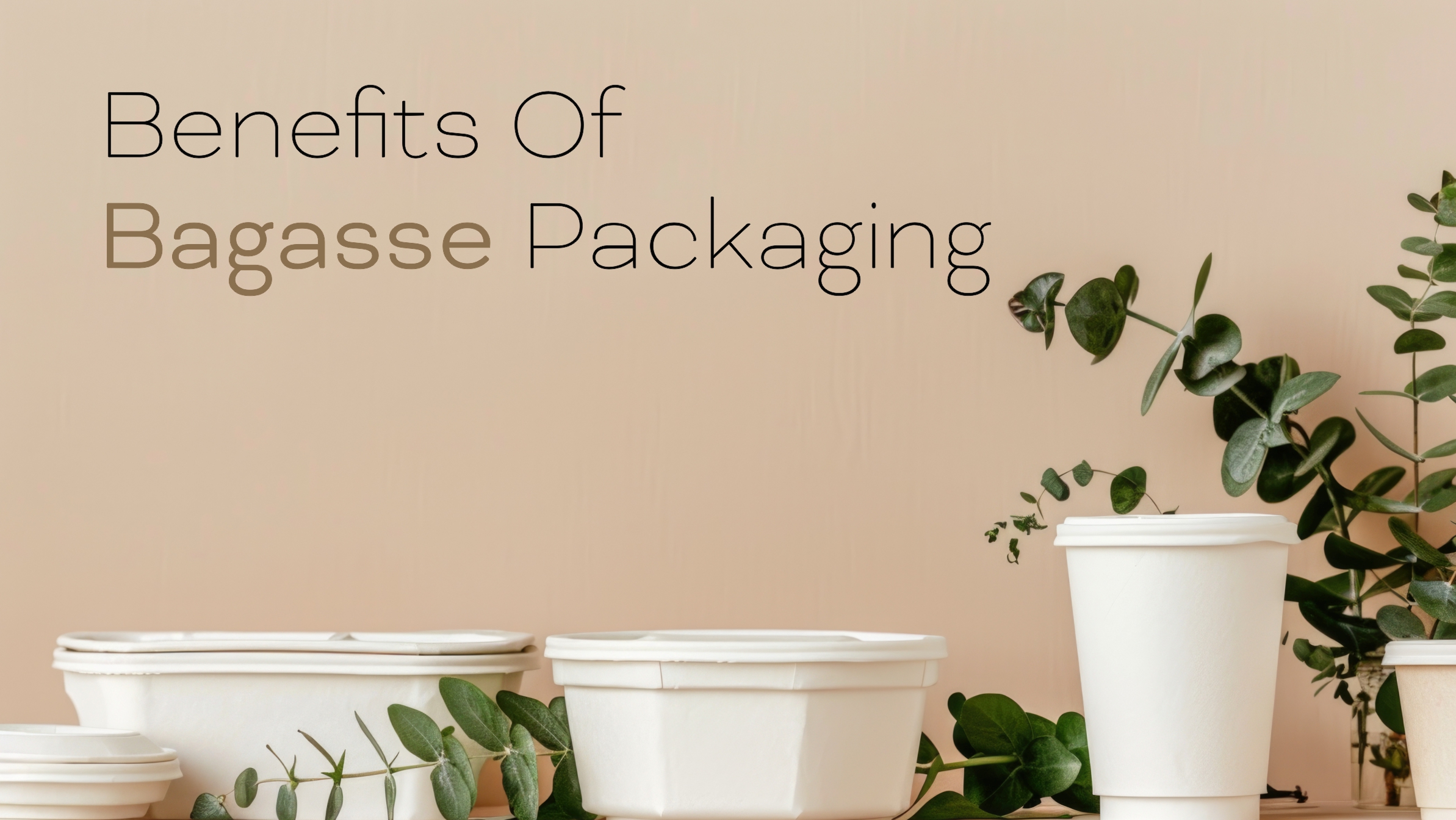
The world is slowly waking up to the damage caused by plastic waste. From oceans to landfills, plastic has become a long-term problem. As businesses try to shift toward safer and greener alternatives, one material has gained huge attention.
Bagasse packaging is made from sugarcane fiber left behind after juice extraction. Instead of throwing this natural waste away or burning it, it is turned into useful products such as plates, bowls, lunch boxes, clamshells, trays, and cups. This simple change has helped reduce pollution and given industries a new, safe packaging option.
In this blog, we will understand why bagasse packaging has become one of the most preferred eco-friendly materials and how its benefits support a cleaner future.
1. Bagasse is Completely Biodegradable
One of the biggest benefits of bagasse packaging is that it naturally breaks down without harming the environment. While plastic stays for hundreds of years, bagasse decomposes within a few months under the right conditions.
This natural process helps:
- Reduce landfill pressure
- Lower long-term pollution
- Support soil health
- Protect wildlife
For businesses, choosing bagasse means contributing to a cleaner planet without compromising on quality.
2. It Is Made From Waste Material
Bagasse uses a material that would otherwise be burned or thrown away. Sugarcane is widely grown in India and many other countries, and every harvest creates tons of leftover fiber. Instead of wasting it, this fiber is shaped into food containers and tableware.
This process offers several benefits:
- Reduces agricultural waste
- Lowers carbon emissions caused by burning
- Supports farmers and local industries
- Promotes a circular, waste-free system
Using waste to create useful products is one of the smartest steps toward sustainability.
3. Strong and Durable for Food Service
Many people think eco-friendly packaging is weak or not sturdy enough. Bagasse packaging proves that wrong. It is surprisingly strong and works well for all types of food dry, oily, fried, hot, cold, or liquid.
Bagasse containers offer:
- Good heat resistance
- No melting like plastic
- Firm structure
- No leakage
- Good insulation for hot food
This makes it suitable for restaurants, catering businesses, takeaway services, and delivery platforms.
4. Microwave and Freezer Friendly
Customers today want convenience. Bagasse packaging supports both reheating and storage needs:
- It can be safely used in the microwave
- Food can be frozen in bagasse containers
- It does not release harmful chemicals
- It maintains its strength better than many paper-based alternatives
From home kitchens to large food chains, this feature makes bagasse packaging a practical and trusted choice.
5. No Harmful Chemicals
Traditional plastic packaging often contains chemicals like BPA or PFAS that can mix with food, especially when heated. Bagasse packaging is made from natural fibers, and many manufacturers avoid adding artificial chemicals.
This results in:
- Safe food contact
- Better health protection
- No toxic smell or taste
- No risk of chemical migration
For families, restaurants, and food-delivery businesses, safety matters and bagasse delivers that confidence.
6. Better for Hot Food Compared to Plastic
When hot food is served in plastic containers, the container often bends, melts slightly, or releases odors. Bagasse, on the other hand, handles heat very well.
Benefits include:
- It stays firm with hot dishes
- No softening or warping
- Good heat insulation
- No harmful fumes or smells
This alone makes it one of the best options for food service businesses looking for reliable alternatives.
7. Environmentally Friendly Manufacturing Process
The process of making bagasse packaging uses less energy compared to manufacturing plastic or foam containers. Because it starts with a natural waste product, the overall environmental footprint is much lower.
This helps in:
- Cutting down greenhouse gas emissions
- Reducing pollution
- Using renewable materials
- Supporting sustainable industry practices
Every stage, from sugarcane growth to final product creation, supports a greener ecosystem.
8. Boosts Brand Reputation
Customers today want brands that care about the environment. When a business shifts to bagasse packaging, it sends a clear message:
“We care about sustainability, health, and the future.”
This can improve:
- Customer trust
- Brand loyalty
- Online reputation
- Sales growth
- Competitive advantage
Whether it’s a restaurant, café, catering service, or grocery brand, eco-friendly packaging makes a business look responsible and modern.
9. Helps Meet Global Regulations
Countries like the USA, UK, Canada, and many European nations are setting stricter packaging rules. Many of them are banning plastic and encouraging compostable materials.
Bagasse is widely accepted because:
- It is plant-based
- It meets compostable standards
- It does not contain harmful plastics
- It supports zero-waste goals
For exporters, using bagasse packaging opens doors to international markets.
10. Affordable and Easily Available
India is one of the largest producers of sugarcane, which makes bagasse packaging easily available and cost-effective. As demand grows, manufacturers are scaling up production, bringing down prices even more.
This means businesses can shift to eco-friendly packaging without increasing their cost burden.
Conclusion
Bagasse packaging offers clear benefits it is biodegradable, strong, heat-resistant, safe for food, and made from renewable waste material. It supports both businesses and the environment, making it one of the best alternatives to single-use plastic. As more industries choose eco-friendly options, bagasse will continue to play a major role in shaping a cleaner and healthier future.
CTA: Choose Bagasse, Choose a Cleaner Future
Switch to biodegradable and bagasse-based packaging today.
Support brands that care about the planet and inspire others to make responsible choices.
Let’s build awareness and encourage more people to use eco-friendly packaging that protects our environment.